What is the Best Time for Mountain Trekking in Tanzania?
Tanzania is one of Africa’s most exciting destinations for outdoor adventure. Many travelers visit the country to experience wildlife safaris, beautiful beaches, and cultural heritage. But for adventure lovers, one of the most unforgettable activities is mountain trekking in Tanzania.
The country is home to famous mountains such as Mount Kilimanjaro, Mount Meru, and the beautiful peaks of the Usambara and Udzungwa Mountains. These landscapes attract hikers from all over the world who want to explore nature and enjoy breathtaking views.
Before planning a trekking trip, many travelers ask an important question: what is the best time for mountain trekking in Tanzania?
The answer mainly depends on the weather. Some months offer clear skies and comfortable hiking conditions, while others bring heavy rains that make trails slippery and difficult.
Understanding Tanzania’s trekking seasons will help travelers choose the perfect time for their adventure.
Understanding Tanzania’s Climate
Tanzania is located near the equator, so the climate is generally warm throughout the year. However, the country has distinct dry and rainy seasons that greatly affect trekking conditions.
The weather in mountain areas can change quickly. Lower slopes may feel warm and humid, while higher elevations can be cold, windy, and sometimes snowy.
Because of these differences, choosing the right time for mountain trekking is important for safety and comfort.
Most experienced guides recommend trekking during the dry seasons, when the weather is more stable and the trails are easier to walk.
The Main Trekking Seasons in Tanzania
There are two main dry seasons in Tanzania, and both are considered excellent for mountain trekking.
The long dry season usually runs from June to October. During these months, rainfall is minimal, and the skies are often clear. This is one of the most popular periods for trekking because the weather is generally predictable.
The second good trekking period is from January to March. These months also offer relatively dry conditions, though temperatures may be slightly warmer.
Between these seasons, Tanzania experiences rainy periods that can make trekking more challenging.
Understanding these seasonal patterns helps travelers choose the best time for their trekking experience.
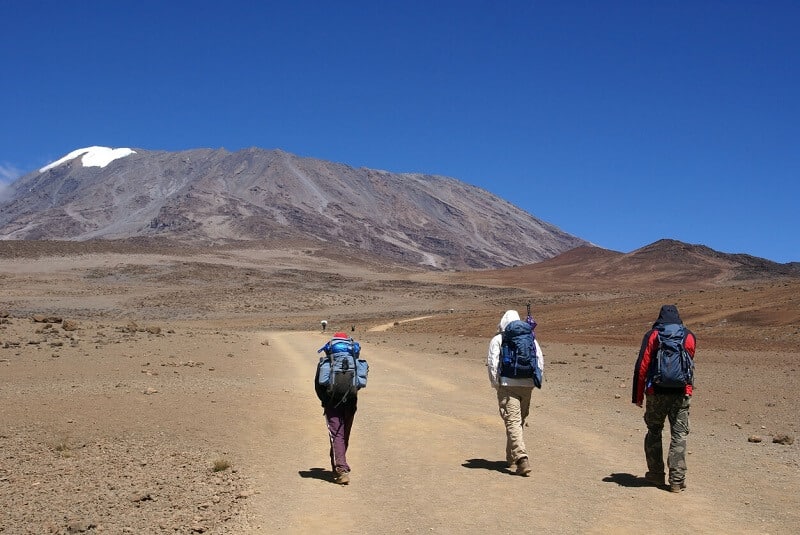
June to October: The Most Popular Trekking Season
The months between June and October are widely considered the best time for mountain trekking in Tanzania.
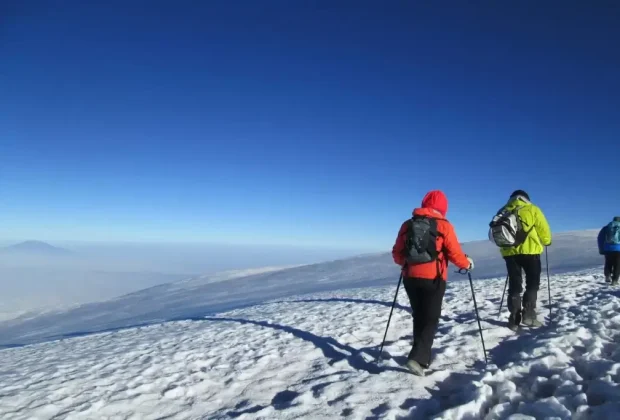
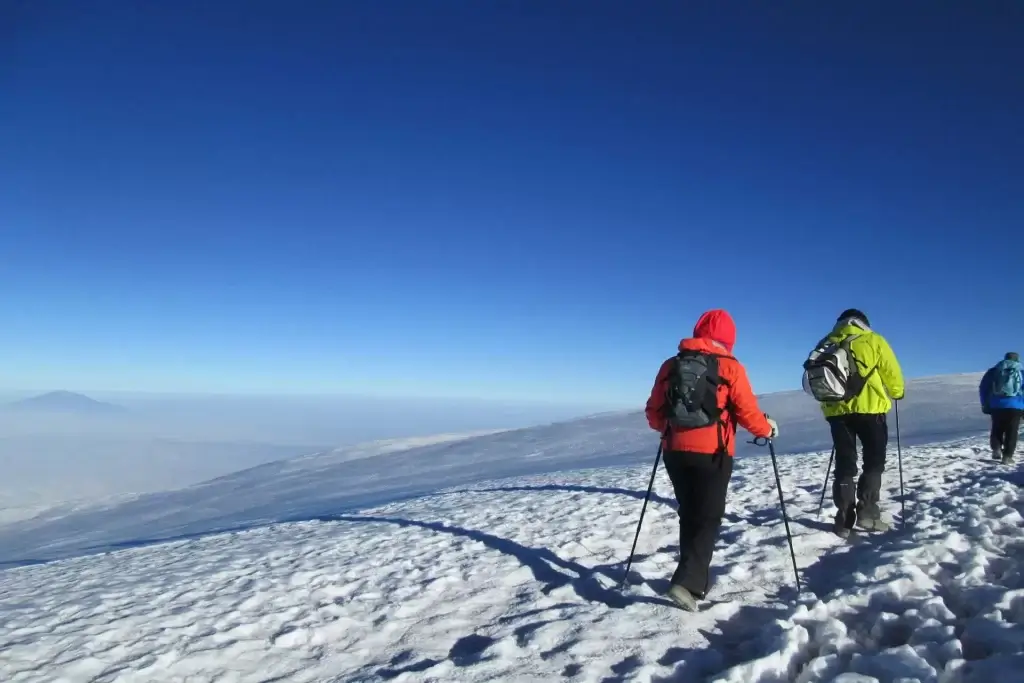
During this time, the weather is dry and visibility is excellent. Clear skies allow trekkers to enjoy beautiful views of mountains, valleys, and surrounding landscapes.
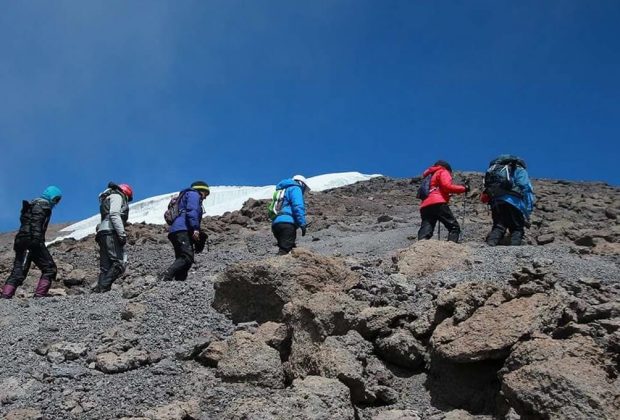
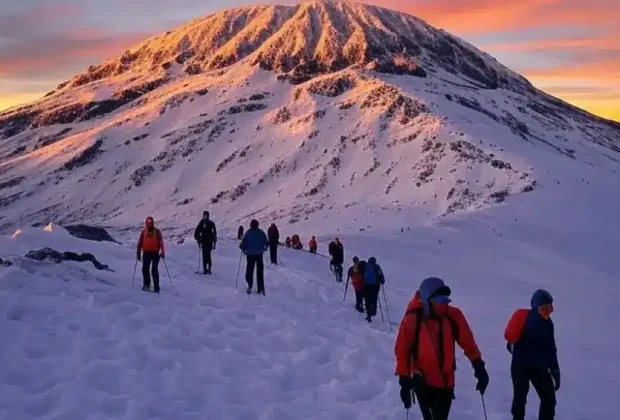
This season is especially popular for climbing Mount Kilimanjaro, the highest mountain in Africa. Stable weather conditions increase the chances of reaching the summit and enjoying the famous sunrise views from the top.
Because this is the peak trekking season, trails may be busier than usual. However, the pleasant weather often makes the experience more comfortable for hikers.
Travelers planning a trekking trip during this time should book their tours early, as many climbing routes fill up quickly.
January to March: A Quieter Trekking Period
Another excellent time for mountain trekking in Tanzania is between January and March.
These months usually have clear mornings and less rainfall compared to the long rainy season. The trails are still in good condition, and the mountain scenery can be very beautiful.
One advantage of trekking during this period is that it is less crowded than the June to October season. Travelers who prefer a quieter experience may enjoy climbing during these months.
However, temperatures can be slightly warmer at lower elevations, especially in forest areas. As trekkers climb higher, the temperatures quickly become cooler.
Overall, January to March offers a great balance between good weather and fewer crowds.
The Rainy Seasons in Tanzania
Tanzania has two main rainy periods that can affect mountain trekking.
The long rainy season typically occurs from March to May. During this time, heavy rainfall is common, especially in mountainous regions. Trails can become muddy and slippery, making hiking more difficult.
Clouds and fog may also block mountain views, which can reduce the scenic experience.
The short rainy season usually happens in November and sometimes extends into early December. Rain during this time is generally lighter than the long rainy season, but conditions can still be unpredictable.
Some experienced hikers still trek during these months, but it requires extra preparation and proper waterproof gear.
For most tourists, the dry seasons remain the best time for trekking adventures in Tanzania.
Best Time to Climb Mount Kilimanjaro
Mount Kilimanjaro is the most famous trekking destination in Tanzania, so many travelers plan their trip specifically to climb this iconic mountain.
The best months for climbing Kilimanjaro are usually January to March and June to October.
During these periods, the weather is more stable, and the trails are safer. Clear skies also offer incredible views from the summit.
June, July, August, and September are particularly popular because they combine dry weather with cooler temperatures.
January and February are also excellent months because they often bring sunny conditions and slightly fewer climbers.
Even though Kilimanjaro can technically be climbed year-round, choosing the right season greatly improves the trekking experience.
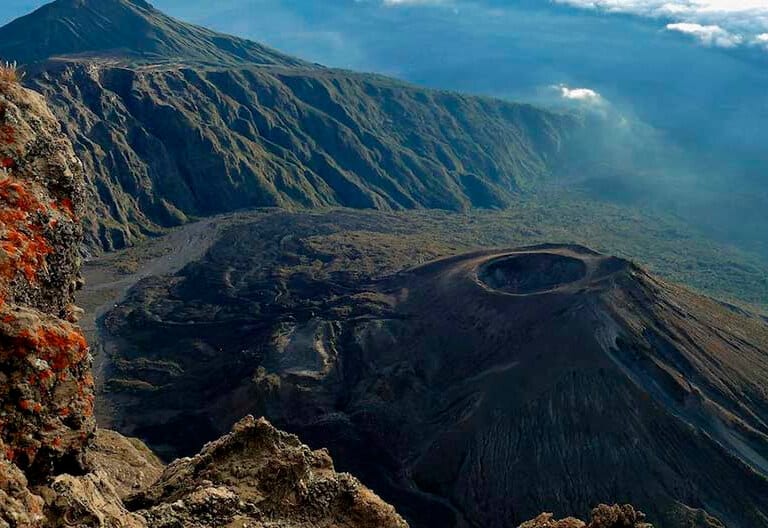
Trekking Mount Meru and Other Mountains
While Kilimanjaro receives most of the attention, Tanzania has several other mountains that offer fantastic trekking opportunities.
Mount Meru, located near Arusha, is the second highest mountain in Tanzania and a popular trek for adventure travelers. The best time to climb Mount Meru is also during the dry seasons, particularly June to October and January to February.
The Usambara Mountains in northeastern Tanzania are famous for scenic hiking trails and traditional villages. Trekking here is enjoyable throughout most of the year, but the dry months provide clearer views and easier trails.
The Udzungwa Mountains in southern Tanzania offer rainforest trekking and beautiful waterfalls. These hikes are especially enjoyable during dry periods when the paths are less slippery.
Each mountain region has its own unique environment, but the general trekking seasons are similar across the country.
What Weather to Expect During a Trek
Even during the best trekking months, the weather on mountains can change quickly.
Lower slopes are often warm and humid, especially in forest areas. As hikers climb higher, temperatures begin to drop and winds may become stronger.
At very high elevations, such as the summit of Mount Kilimanjaro, temperatures can fall well below freezing during the night.
Because of these changing conditions, trekkers need proper clothing that can handle both warm and cold environments.
Layered clothing, waterproof jackets, and warm gloves are essential for most mountain treks in Tanzania.
Being prepared for different weather conditions makes the trekking experience much more comfortable.
Why Timing Matters for Trekking
Choosing the right trekking season can make a huge difference in the overall experience.
During dry months, hikers enjoy clearer trails, better visibility, and safer conditions. The landscapes also look spectacular under bright skies.
During rainy seasons, however, heavy rainfall can make trekking slower and more difficult. Trails may become muddy, and clouds may hide the mountain scenery.
While some experienced hikers enjoy the challenge of trekking in the rain, most travelers prefer the comfort and beauty of the dry seasons.
Planning your trip around the best trekking months helps ensure a more enjoyable adventure in Tanzania.
Preparing for Your Trekking Trip
No matter which mountain you plan to climb, preparation is important.
Trekkers should train with regular walking or hiking before the trip to improve endurance. Good physical fitness makes long trekking days much easier.
It is also important to choose an experienced guide or trekking company. Guides help manage routes, monitor safety, and provide valuable support during the journey.
Packing the right equipment is another important step. Comfortable hiking boots, warm clothing, and proper rain protection can make a big difference during the trek.
Many travelers also spend a few days in nearby towns such as Arusha or Moshi before beginning their mountain adventure.
Frequent Asked Questions (FAQs)
What is the best month for mountain trekking in Tanzania?
Many travelers consider July, August, and September to be the best months because the weather is dry and visibility is excellent.
Can you trek mountains in Tanzania during the rainy season?
Is January a good month for trekking in Tanzania?
Yes, January is a great time for trekking. The weather is usually clear, and the trails are in good condition.
When is Mount Kilimanjaro easiest to climb?
Kilimanjaro is often easiest to climb during the dry seasons when the weather is stable and the trails are safer.
Are Tanzania’s mountains crowded during peak season?
Some popular routes on Mount Kilimanjaro can be busy during peak months, but many other mountains and trekking areas remain peaceful and less crowded.