Do You Need Experience to Climb Mount Kilimanjaro?
Climbing Mount Kilimanjaro is one of the most popular adventure trips in Africa. Located in northern Tanzania, this famous mountain attracts thousands of travelers every year who dream of standing on the highest point in Africa.
Before planning the trip, many people ask an important question: Do you need experience to climb Mount Kilimanjaro?
The good news is that you do not need technical climbing experience to reach the summit. Mount Kilimanjaro is considered one of the most accessible high mountains in the world. Many first-time climbers successfully reach the top every year.
However, this does not mean the climb is easy. Kilimanjaro is still a serious adventure that requires preparation, physical fitness, and mental determination.
Understanding what the climb involves will help travelers prepare properly and increase their chances of reaching the summit.
Why Mount Kilimanjaro is Unique for Beginners
Mount Kilimanjaro stands at 5,895 meters (19,341 feet) above sea level. Despite its height, the mountain does not require technical mountaineering skills such as rope climbing, ice axes, or rock climbing techniques.
Instead, Kilimanjaro is mainly a long high-altitude hike.
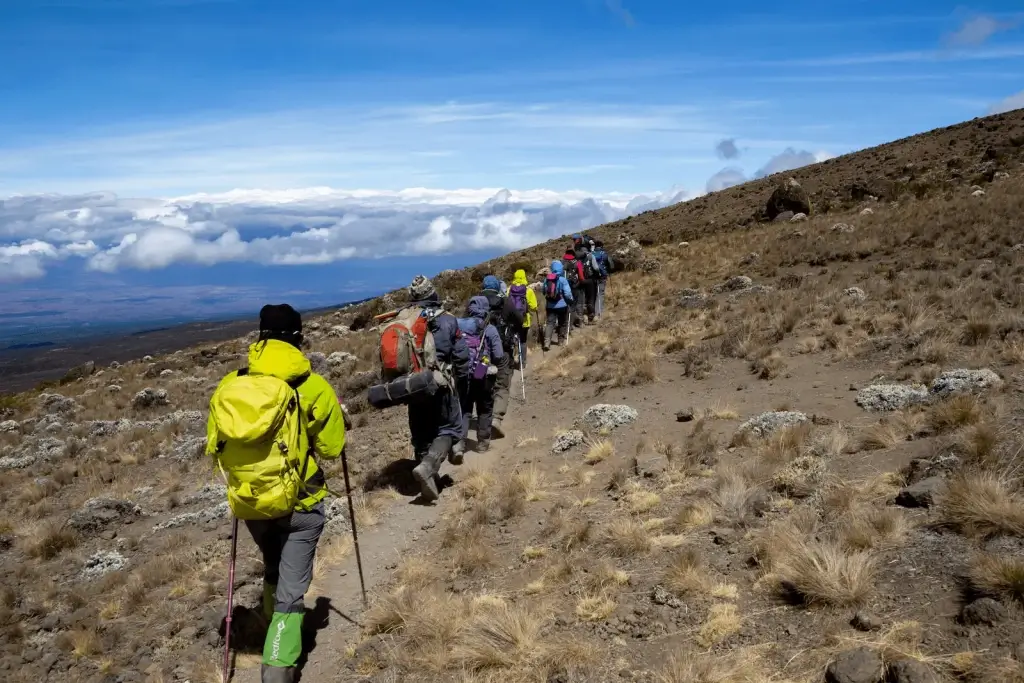
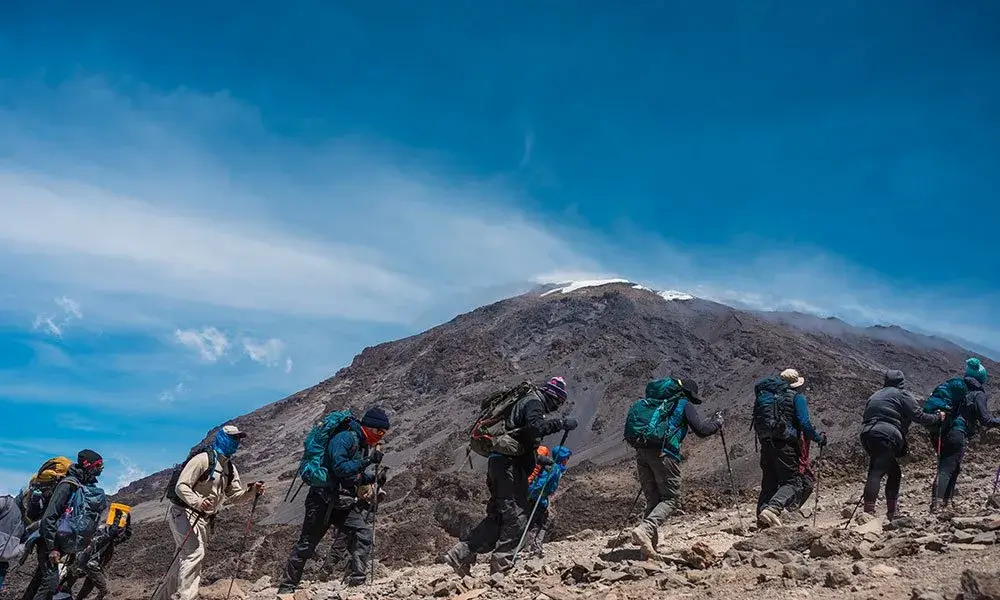
Climbers walk along established trails that gradually lead to the summit. Professional guides and porters accompany every group, helping with navigation, safety, and equipment.
Because of this structure, many people who have never climbed a mountain before can successfully complete the trek.
This is one of the main reasons Kilimanjaro has become the most famous mountain climb in Tanzania and one of the most popular trekking adventures in the world.
The Real Challenge: High Altitude
Even though technical climbing experience is not required, Kilimanjaro still presents a major challenge: altitude.
As climbers move higher up the mountain, the air becomes thinner and contains less oxygen. This can make breathing more difficult and cause symptoms of altitude sickness.
Common symptoms include headaches, dizziness, nausea, and fatigue.
The best way to manage altitude is by climbing slowly and giving the body time to adapt. This process is called acclimatization.
Most Kilimanjaro itineraries are designed to allow gradual altitude gain over several days. Following the guide’s pace and staying hydrated are very important for a successful climb.
Physical Fitness for Climbing Kilimanjaro
Guided Climbs Make the Journey Safer
One important rule for climbing Mount Kilimanjaro is that all climbers must be accompanied by a licensed guide.
Independent climbing is not allowed in Kilimanjaro National Park.
Guides play a very important role during the expedition. They lead the route, monitor climbers for altitude sickness, and help manage the daily schedule.
Porters carry tents, food, and equipment, while cooks prepare warm meals during the trek.
This support system allows climbers to focus mainly on walking and adjusting to the altitude. It also makes Kilimanjaro much more accessible for people without mountaineering experience.
Many climbers say that the guides and porters are one of the best parts of the entire experience.
What Beginners Should Expect During the Climb
A Kilimanjaro climb is a multi-day journey through different landscapes and climate zones.
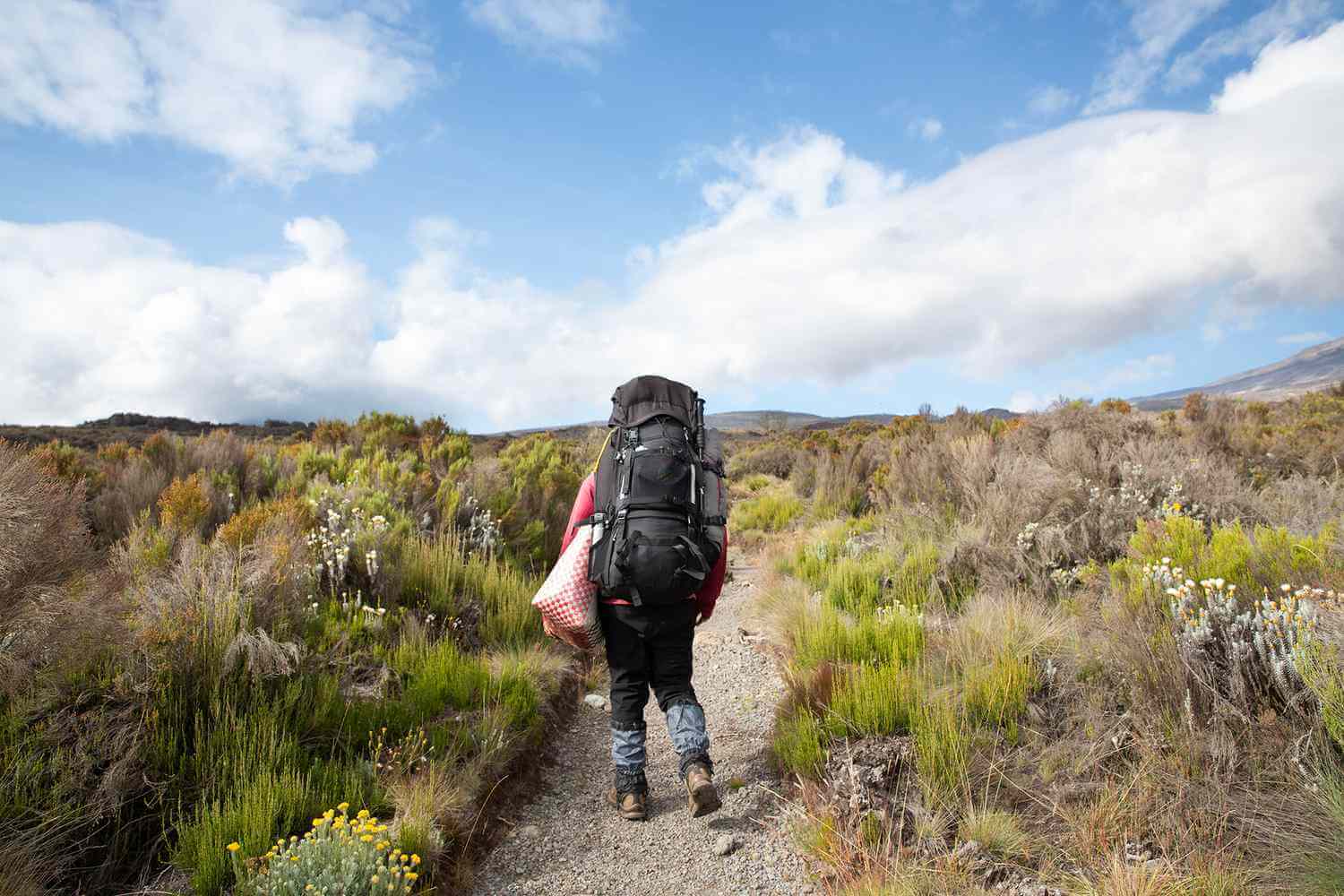
The trek usually begins in a tropical rainforest, where the trail is surrounded by tall trees and lush vegetation. Birds, monkeys, and other wildlife can sometimes be seen in this part of the mountain.
As climbers move higher, the forest slowly disappears and the environment changes to moorland. This area has open views, unique plants, and cooler temperatures.
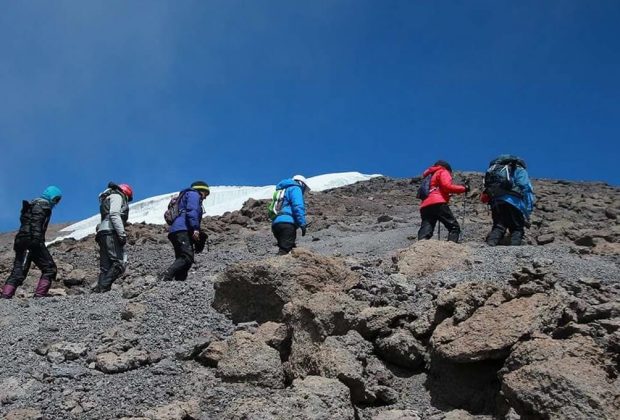
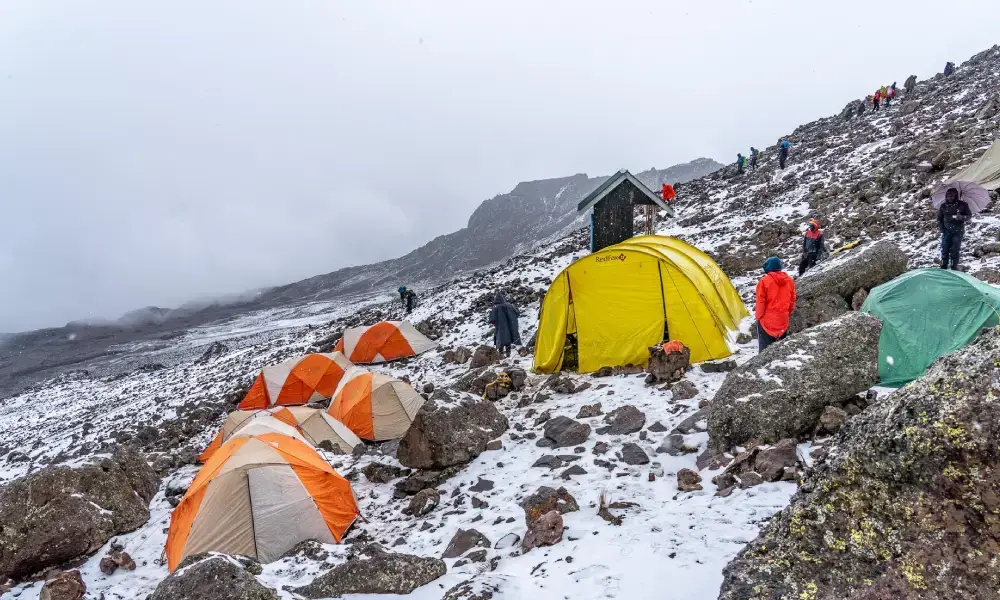
Further up the mountain is an alpine desert zone, where the landscape becomes rocky and dry. Temperatures begin to drop significantly, especially at night.
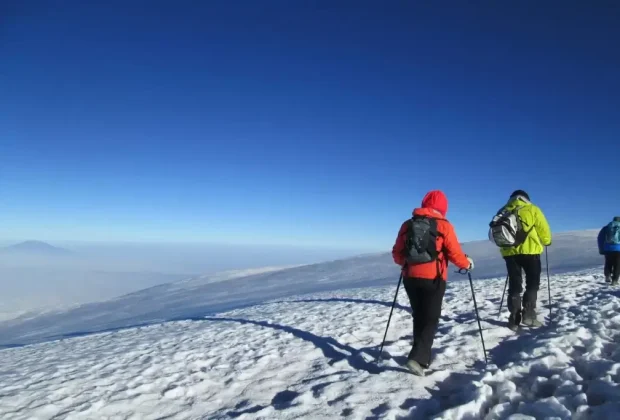
The final stage is the arctic summit zone, where snow, ice, and glaciers appear near the top.
Experiencing these dramatic changes in environment is one of the most fascinating aspects of climbing Kilimanjaro.
Choosing the Right Route for Beginners
Several routes lead to the summit of Mount Kilimanjaro. Some routes are better suited for beginners because they allow more time for acclimatization.
Routes that take 7 or 8 days usually have the highest success rates.
The Lemosho Route and Machame Route are often recommended for first-time climbers because they provide beautiful scenery and good altitude adjustment.
Shorter routes such as the Marangu Route may appear easier because they take fewer days, but the faster altitude gain can make the climb more challenging for beginners.
Choosing a longer route often increases both comfort and summit success.
Mental Strength is Just as Important
Climbing Kilimanjaro is not only a physical challenge. It also requires mental determination.
There will be moments during the climb when hikers feel tired or cold, especially during the final summit night.
Guides encourage climbers to move slowly and stay focused. The famous Swahili phrase used on the mountain is “pole pole,” which means “slowly slowly.”
Taking one step at a time helps climbers conserve energy and adapt to the altitude.
Many beginners who reach the summit say that patience and determination were just as important as physical fitness.
What Makes the Summit Moment Special
After several days of hiking, climbers attempt the summit during the final stage of the trek.
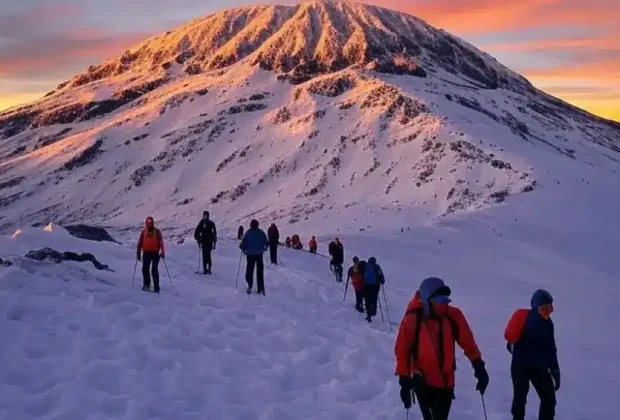
The summit push usually begins around midnight. Climbers walk in darkness with headlamps while temperatures drop well below freezing.
Although this part of the climb is challenging, it is also incredibly rewarding.
As the sun rises, the sky turns bright colors and the view from the mountain becomes breathtaking. Glaciers reflect the sunlight and the vast African plains stretch far into the distance.
Finally, climbers reach Uhuru Peak, the highest point on Mount Kilimanjaro.
Standing at the top of Africa after days of effort creates a powerful sense of achievement that many travelers remember for the rest of their lives.
Preparation Tips for First-Time Climbers
First-time climbers can improve their chances of success by preparing well before the trip.
Training with regular hiking or walking helps build endurance. Packing the right clothing is also important because temperatures can change dramatically from warm forest conditions to freezing temperatures near the summit.
Good hydration, proper nutrition, and listening to your guide are essential during the climb.
Many beginners also find it helpful to arrive in Tanzania a few days before the trek. This allows time to rest, check equipment, and adjust to the environment.
Taking these steps can make the adventure more comfortable and enjoyable.
Why So Many First-Time Climbers Choose Kilimanjaro
Mount Kilimanjaro has become a dream destination for adventure travelers around the world.
Unlike many high mountains, it offers the chance to reach a major summit without technical climbing skills. At the same time, it still provides the excitement and challenge of a true expedition.
The combination of beautiful scenery, supportive guides, and a well-established trekking system makes Kilimanjaro an excellent choice for people who want their first high-altitude mountain experience.
For many visitors, climbing Kilimanjaro becomes the highlight of their trip to Tanzania.
Frequent Asked Questions (FAQs)
Can beginners climb Mount Kilimanjaro?
Yes. Many beginners successfully climb Mount Kilimanjaro every year. With good preparation, physical fitness, and the support of experienced guides, reaching the summit is possible for first-time climbers.
Do you need technical climbing skills?
No technical mountaineering skills are required. Kilimanjaro is primarily a high-altitude trekking experience rather than a technical climb.
How fit do you need to be to climb Kilimanjaro?
Climbers should be in good physical condition and able to walk for several hours per day. Regular hiking or endurance exercise before the trip is very helpful.
What is the hardest part of climbing Kilimanjaro?
The biggest challenge is the high altitude, especially during the final summit night when oxygen levels are lower and temperatures are very cold.
Is climbing Kilimanjaro safe for beginners?
Yes, when climbing with a licensed guide and a reputable tour company. Guides monitor climbers closely and help manage altitude safety during the trek.