How Long Does It Take to Climb Mount Kilimanjaro?
Climbing Mount Kilimanjaro is one of the most exciting adventures in Africa. Every year, thousands of travelers come to Tanzania to stand on the highest mountain on the continent. The journey is challenging, beautiful, and unforgettable.
One of the most common questions tourists ask before planning their trip is simple: how long does it take to climb Mount Kilimanjaro?
The answer depends on several factors, including the route you choose, your physical fitness, and how well your body adjusts to the high altitude. Some climbers try to complete the trek in just a few days, while others take a slower approach to increase their chances of reaching the summit.
In this guide, you will learn how many days it usually takes to climb Mount Kilimanjaro, why longer climbs are often better, and what to expect during each stage of the journey.
Average Time Needed to Climb Mount Kilimanjaro
Most climbers reach the summit of Mount Kilimanjaro in 5 to 9 days. This time includes hiking up the mountain, adjusting to altitude, and descending safely.
The number of days depends mainly on the climbing route. Some routes are shorter and more direct, while others are longer and allow better acclimatization.
Shorter climbs may seem attractive because they cost less and require fewer vacation days. However, they often have lower summit success rates because the body does not have enough time to adapt to the altitude.
Longer itineraries usually provide a better experience. They allow climbers to walk slowly, rest properly, and enjoy the scenery along the way.
For many travelers, a 7 or 8 day itinerary is the best balance between time, safety, and success.
Why Acclimatization is Important
The biggest challenge when climbing Mount Kilimanjaro is not the distance or steepness. The main challenge is the high altitude.
At the summit of Kilimanjaro, the air contains much less oxygen than at sea level. As climbers go higher, their bodies need time to adjust to this change.
If climbers go too fast, they may experience altitude sickness. Symptoms can include headaches, dizziness, nausea, and fatigue.
Taking extra days during the climb helps the body adjust gradually. This process is called acclimatization.
Guides often follow a strategy called “climb high, sleep low.” This means hikers may walk to a higher altitude during the day and then descend slightly to sleep at a lower camp.
This method greatly increases the chance of reaching the summit safely.
Popular Kilimanjaro Routes and Their Duration
There are several routes to the top of Mount Kilimanjaro, and each route has a different average climbing time.
The Marangu Route usually takes about 5 to 6 days. It is one of the oldest routes and the only one with hut accommodation instead of tents. Because it is shorter, acclimatization can be more difficult.
The Machame Route normally takes 6 to 7 days. It is one of the most scenic routes and has a higher success rate because it allows better altitude adjustment.
The Lemosho Route usually takes 7 to 8 days. Many experienced guides recommend this route because it offers beautiful landscapes and excellent acclimatization.
The Rongai Route takes around 6 to 7 days and approaches the mountain from the northern side near Kenya. It is known for being quieter and slightly drier.
The Northern Circuit Route is the longest route and takes 8 to 9 days. It has one of the highest summit success rates because climbers spend more time adapting to altitude.
Choosing the right route often depends on your schedule, budget, and personal preference.
What Happens During the Climb
A Kilimanjaro climb is not a single long hike. It is a multi-day journey where each day brings new landscapes and experiences.
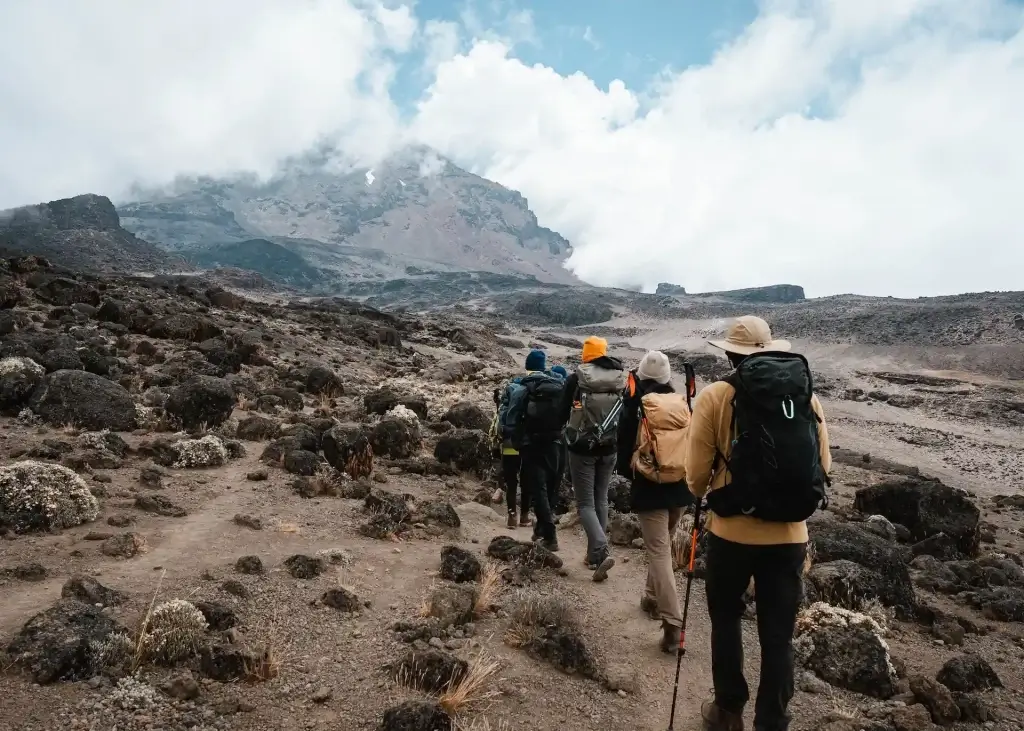
The first days are usually spent hiking through lush rainforest on the lower slopes of the mountain. The air is warm, and the trails are surrounded by tall trees and wildlife.
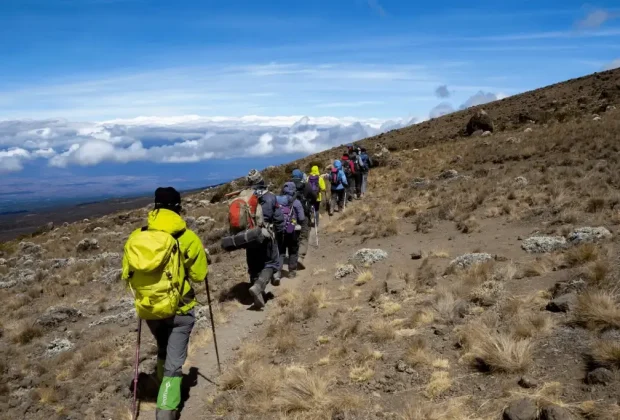
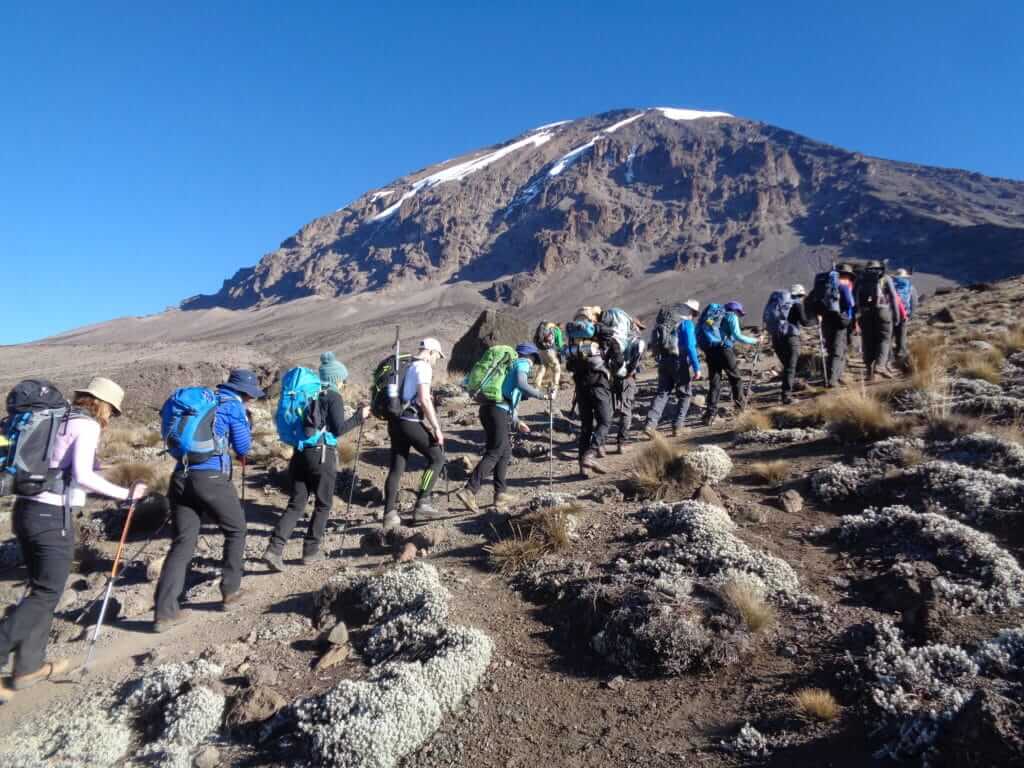
After leaving the forest, climbers enter a moorland zone where the landscape becomes more open. Unique plants such as giant lobelias and groundsels grow in this area.
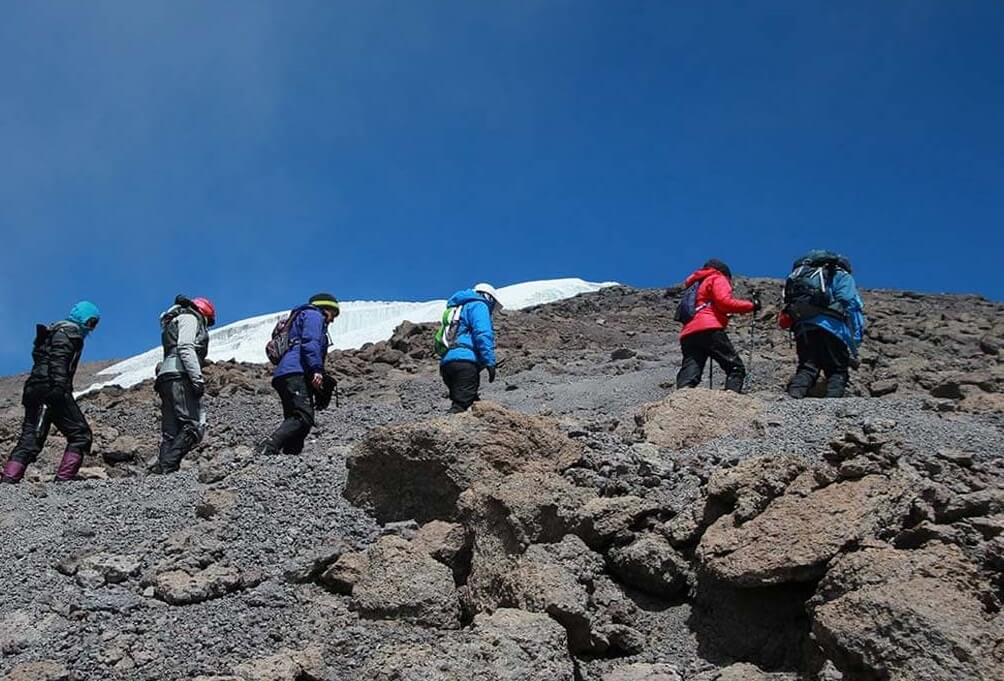
Higher up, the terrain becomes rocky and dry in the alpine desert zone. Temperatures drop, and the environment feels very different from the green forests below.
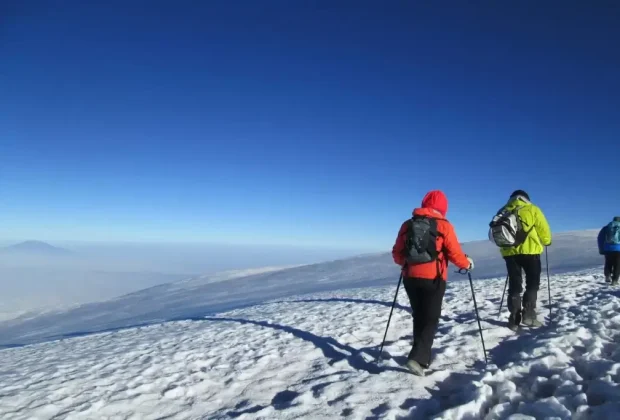
The final stage of the climb is the summit push. This usually begins late at night so climbers can reach the top at sunrise.
After reaching the summit at Uhuru Peak, climbers descend back to lower camps and eventually leave the mountain.
Summit Night and the Final Ascent
Summit night is the most challenging part of the Kilimanjaro climb.
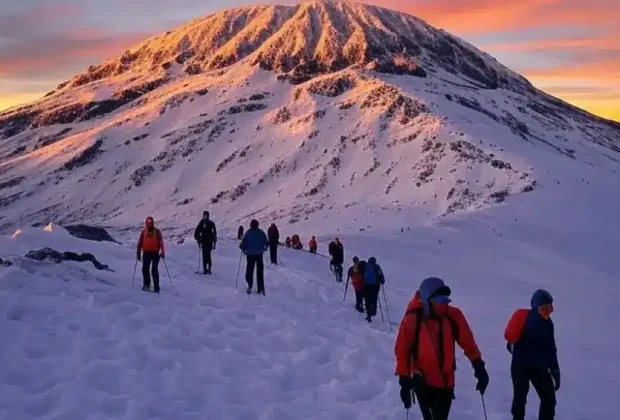
Climbers usually wake up around midnight and begin hiking in the dark using headlamps. Temperatures can drop far below freezing, and the air is very thin.
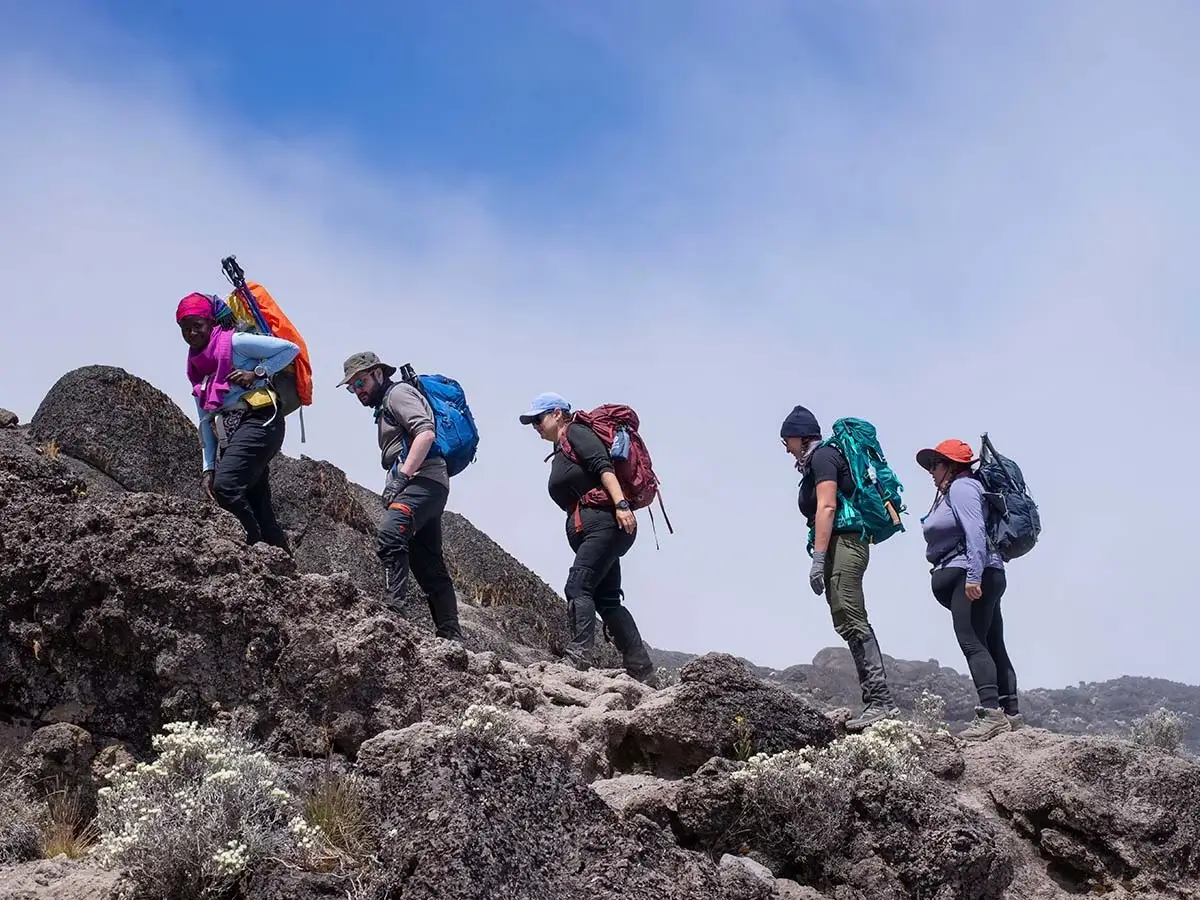
The path slowly climbs toward the crater rim, and every step requires patience and determination. Guides encourage climbers to move slowly and steadily.
When the sun begins to rise, the view becomes magical. The sky changes color, glaciers shine in the early light, and the African plains stretch endlessly below.
Finally, climbers reach Uhuru Peak, the highest point in Africa at 5,895 meters (19,341 feet).
Reaching the summit after days of effort is an emotional and unforgettable moment for many travelers.
Descending the Mountain
After reaching the summit, climbers do not stay long because of the extreme altitude.
The descent usually begins shortly after taking photos and celebrating at the top. Climbers return to a lower camp for rest before continuing down the mountain.
Descending is much faster than climbing. Most groups complete the descent in 1 or 2 days.
As the altitude decreases, the air becomes easier to breathe, and the temperature becomes warmer again.
Reaching the park gate at the end of the trek is another exciting moment, often celebrated with certificates and congratulations from guides and porters.
Tips for Planning Your Kilimanjaro Climb
Planning the right schedule can make a big difference in your climbing experience.
Choose a route that allows enough time for acclimatization, even if it requires a few extra days. Longer routes usually provide better success rates.
Prepare your body by doing regular hiking, walking, or cardio exercise before the trip. Good physical fitness helps climbers handle long hiking days.
Travelers should also plan for at least two extra days in Tanzania before or after the climb. These days help with rest, gear preparation, and recovery.
Many tourists also combine their Kilimanjaro climb with a Tanzania safari or a relaxing visit to the beaches of Zanzibar.
Why Many Climbers Choose a 7–8 Day Itinerary
Although some routes can be completed in 5 or 6 days, many experienced guides recommend 7 or 8 days on the mountain.
This schedule allows climbers to move slowly, adapt to the altitude, and enjoy the journey more comfortably.
Longer climbs also give travelers more time to experience Kilimanjaro’s changing landscapes and breathtaking views.
For many people, the goal is not only to reach the summit but also to fully experience one of the most famous mountains in the world.
Frequent Asked Questions (FAQs)
What is the fastest time to climb Mount Kilimanjaro?
Professional athletes have climbed Kilimanjaro in less than a day, but this is extremely rare and not recommended for normal travelers.
What is the best number of days for climbing Kilimanjaro?
Most experts recommend 7 or 8 days because it allows proper acclimatization and increases the chance of reaching the summit.
Can beginners climb Mount Kilimanjaro?
Is it possible to climb Kilimanjaro in 5 days?
Yes, some routes offer 5-day itineraries, but the success rate is lower because climbers have less time to adjust to the altitude.