Top National Parks to Visit for a Tanzania Safari
Tanzania is one of the best safari destinations in Africa. The country has some of the most famous national parks in the world, where travelers can see wild animals living freely in natural landscapes. From large elephant herds to powerful lions and millions of migrating wildebeest, Tanzania offers unforgettable wildlife experiences.
Many tourists visit Tanzania to explore its diverse national parks. Each park is unique and offers something special. Some parks are known for the Great Migration, others for large elephant populations, beautiful lakes, or dramatic volcanic landscapes.
Most safari tours focus on the Northern Safari Circuit, which includes the most famous parks and conservation areas. These destinations are relatively close to each other, making it easy for travelers to visit several parks during one safari trip.
Understanding the top national parks helps visitors plan a safari that matches their interests, travel style, and wildlife goals.
Serengeti National Park – Tanzania’s Most Famous Safari Destination
One of the most iconic wildlife destinations in the world is Serengeti National Park. This enormous park covers about 14,750 square kilometers and is known for its endless golden plains and incredible wildlife.
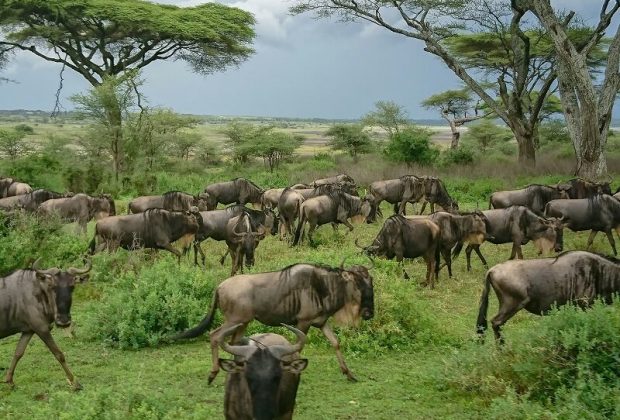
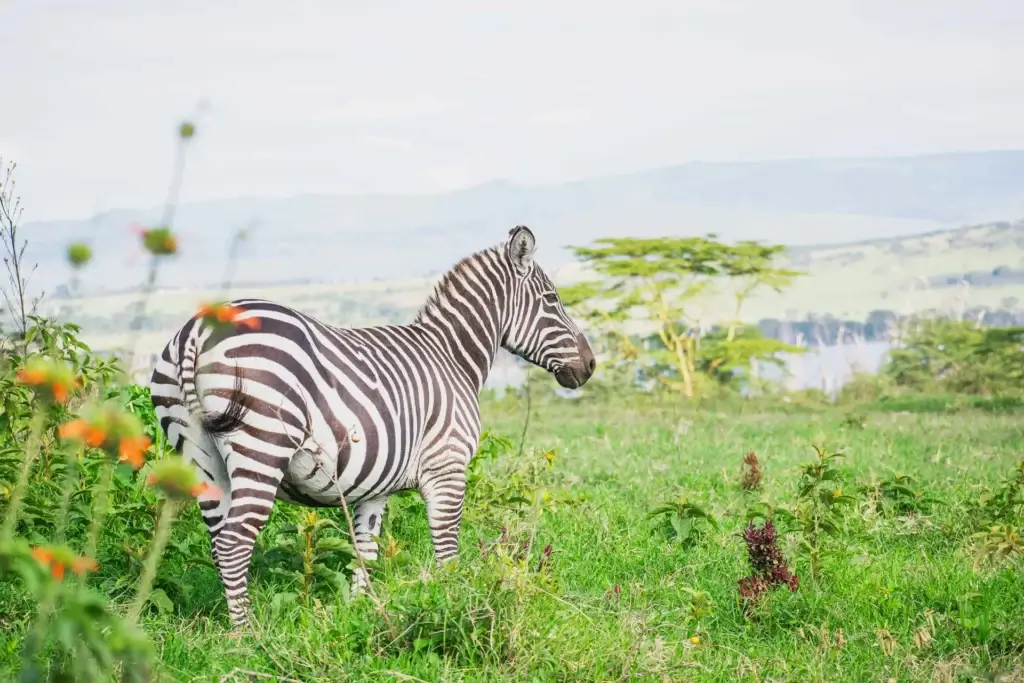
The Serengeti is famous for the Great Migration, one of the largest wildlife movements on Earth. Every year, millions of wildebeest, zebras, and gazelles travel across the plains searching for fresh grass and water.
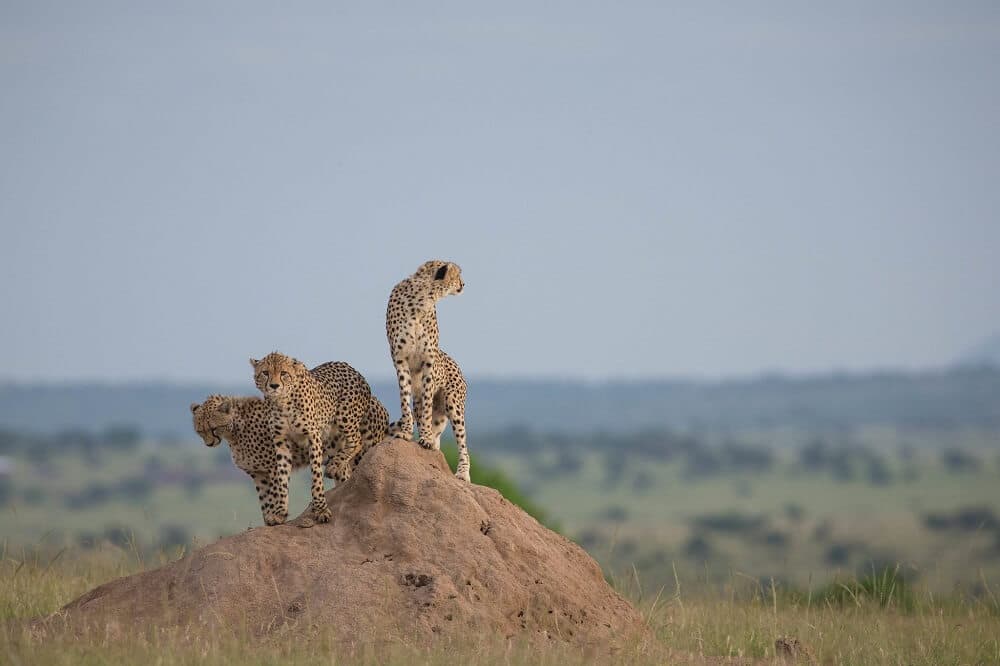
Predators such as lions, cheetahs, and leopards follow the herds, creating exciting wildlife encounters for safari visitors.
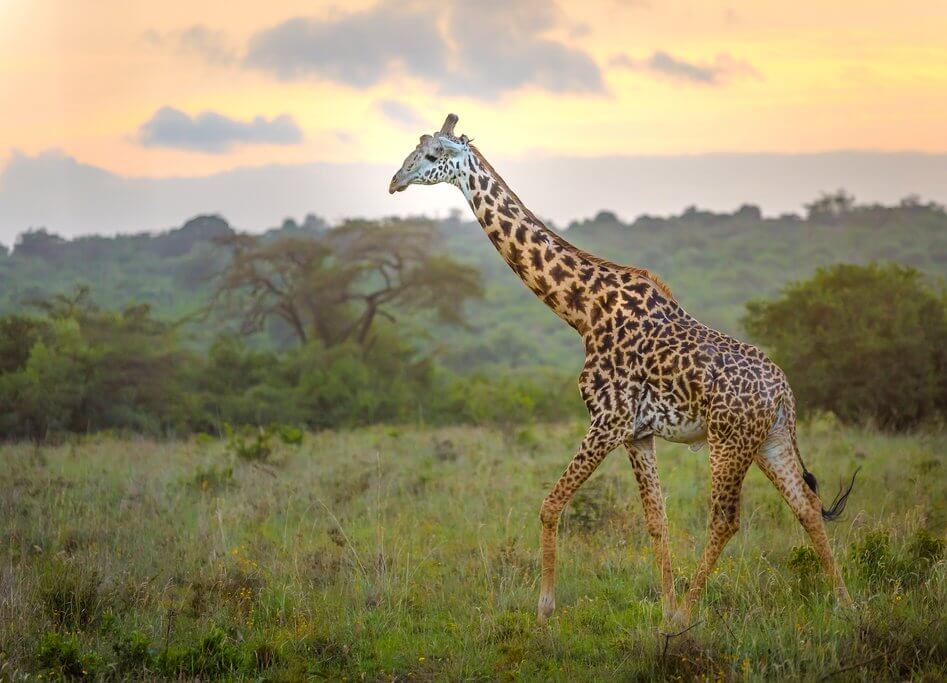
Game drives in the Serengeti are often spectacular because animals can be seen in large numbers across open landscapes. Travelers may see elephants, giraffes, buffalo, hyenas, and many bird species during a single safari drive.
The Serengeti is also a great destination for photography, thanks to its dramatic sunsets and wide-open views.
Ngorongoro Crater – A Natural Wildlife Sanctuary
Another must-visit safari destination is the famous Ngorongoro Crater, located inside the Ngorongoro Conservation Area.
This enormous volcanic crater formed millions of years ago when a giant volcano collapsed. Today, the crater floor acts as a natural wildlife sanctuary with a high concentration of animals living in a relatively small area.
Because the crater has permanent water sources and fertile grasslands, wildlife remains inside the crater throughout the year. Visitors often see lions, elephants, buffalo, zebras, and large groups of wildebeest.
The Ngorongoro Crater is also one of the best places in Tanzania to see the endangered black rhinoceros.
Another unique feature of the conservation area is that local Maasai communities still live there alongside wildlife. Visitors sometimes see Maasai herders wearing traditional red clothing while guiding cattle across the highlands.
Tarangire National Park – Land of Giants
Located southwest of Arusha, Tarangire National Park is known for its impressive elephant population and ancient baobab trees.
During the dry season, thousands of animals migrate toward the Tarangire River, which becomes the main water source in the park. This creates excellent wildlife viewing opportunities.
Large elephant families can often be seen walking across the savannah or gathering near the riverbanks. Sometimes visitors may see groups of more than 100 elephants in a single area.
Tarangire is also home to lions, leopards, giraffes, zebras, and many antelope species.
The park’s unique landscape is filled with giant baobab trees that can live for hundreds or even thousands of years. These trees give the park a dramatic and ancient atmosphere.
Because Tarangire receives fewer visitors than the Serengeti, safaris here often feel quieter and more peaceful.
Lake Manyara National Park – Scenic Beauty and Birdlife
Another beautiful safari destination is Lake Manyara National Park. Although smaller than other parks, it offers a very diverse environment.
The park is famous for its large soda lake that attracts thousands of flamingos and other water birds. Birdwatchers often visit this park to see pelicans, storks, herons, and many colorful species.
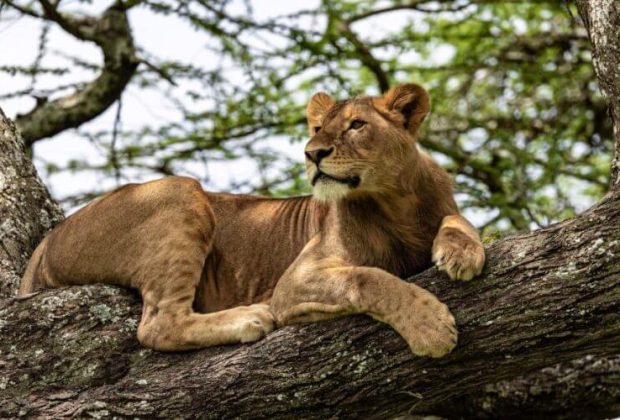
Lake Manyara is also known for its tree-climbing lions, a rare behavior where lions rest on tree branches during the day.
Another interesting feature of the park is its dense groundwater forest near the entrance. This area looks very different from the open savannah landscapes seen in other parks.
Visitors often see elephants, baboons, giraffes, and hippos while exploring the park.
Because Lake Manyara is located close to the town of Arusha, it is often included as the first or last stop in a northern Tanzania safari itinerary.
Ruaha National Park – Tanzania’s Hidden Safari Treasure
While the northern parks are the most popular, Ruaha National Park offers a more remote and wild safari experience.
Ruaha is the largest national park in Tanzania, yet it receives far fewer visitors compared to Serengeti or Ngorongoro.
The park has rugged landscapes, rocky hills, and the beautiful Great Ruaha River flowing through the area. Wildlife gathers near the river during the dry season, creating excellent game viewing opportunities.
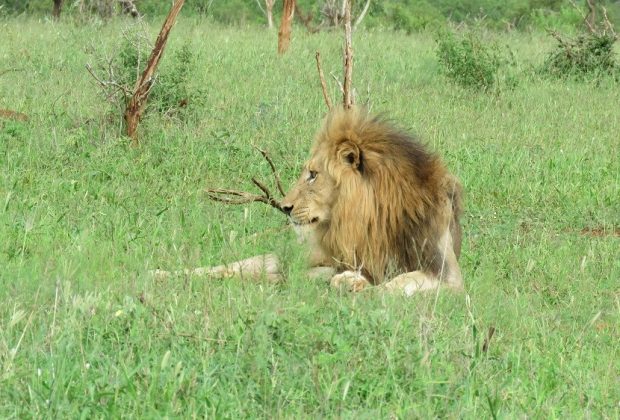
Ruaha is particularly famous for its large lion population. The park also hosts elephants, leopards, wild dogs, giraffes, and many antelope species.
Because tourism is less developed here, safaris in Ruaha often feel more adventurous and private.
Nyerere National Park – A Unique River Safari Experience
Another remarkable destination is Nyerere National Park, which was previously part of the famous Selous Game Reserve.
This massive protected area is one of the largest wildlife reserves in Africa.
Unlike most parks where safaris happen only in vehicles, Nyerere offers boat safaris along the Rufiji River. Visitors can see hippos, crocodiles, and elephants from the water, which creates a completely different safari experience.
Walking safaris are also popular here, allowing travelers to explore the wilderness on foot with experienced guides.
The park is home to lions, African wild dogs, giraffes, buffalo, and many bird species.
Choosing the Best Parks for Your Safari
Tanzania has more than 20 national parks, but most travelers choose a combination of parks depending on time and interests.
The Northern Safari Circuit is the most common route because it includes several iconic parks close together. Visitors can experience the open plains of the Serengeti, the volcanic landscape of Ngorongoro, and the elephant herds of Tarangire during a single trip.
Some travelers also combine a safari with a beach holiday on the island of Zanzibar, where white sand beaches and turquoise water provide a relaxing end to the adventure.
Planning the right safari itinerary helps travelers experience the best wildlife, landscapes, and cultures that Tanzania offers.
Frequent Asked Questions (FAQs)
Which national park is best for a first safari in Tanzania?
How many national parks should I visit on a safari?
What is the easiest park to reach from Arusha?
Tarangire National Park and Lake Manyara National Park are among the closest parks to Arusha and can be reached within a few hours by road.
Are Tanzania’s national parks safe for tourists?
Yes. Tanzania’s national parks are well managed and safari guides are trained to ensure visitor safety while exploring wildlife areas.
Can I see the Big Five in Tanzania?
Yes. Tanzania is one of the best countries to see the Big Five lions, elephants, buffalo, leopards, and rhinoceros. Places like the Ngorongoro Crater and Serengeti National Park offer excellent chances to see them.