Best Time to Go on a Tanzania Safari
Tanzania is one of the most exciting safari destinations in the world. The country is home to famous national parks like the Serengeti National Park, Ngorongoro Conservation Area, and Tarangire National Park. These places offer unforgettable wildlife experiences where travelers can see lions, elephants, giraffes, zebras, and many other animals in their natural environment.
One of the most common questions travelers ask before planning a safari is: When is the best time to visit Tanzania? The answer depends on what you want to see. Some visitors want to witness the famous Great Migration, while others want clear weather and easier wildlife viewing.
Tanzania has different safari seasons throughout the year. Each season offers a unique experience, different landscapes, and different wildlife activities. Understanding these seasons helps you choose the perfect time for your safari adventure.
This guide explains the best time to go on a Tanzania safari, including wildlife seasons, weather conditions, and what travelers can expect during different months.
Understanding Tanzania’s Safari Seasons
Tanzania has two main seasons that affect safari experiences: the dry season and the wet season. Both seasons have advantages depending on your travel interests.
The dry season is generally considered the best time for wildlife viewing because animals gather near rivers and waterholes. The wet season brings lush green landscapes, fewer tourists, and excellent birdwatching opportunities.
Because Tanzania is close to the equator, temperatures remain warm throughout the year. However, rainfall patterns change the safari experience.
The Dry Season: The Most Popular Safari Time
The dry season runs from June to October and is often described as the best time to go on a Tanzania safari. During these months, rain is very rare and the weather is comfortable for travel and outdoor activities.
The landscape becomes dry and grass is shorter, which makes it easier to spot animals. Wildlife also gathers around water sources because rivers and lakes become very important for survival.
Safari vehicles can travel easily on park roads during this time, which means visitors can explore larger areas of the parks without difficulty.
Many tourists choose this season to visit famous parks such as Serengeti National Park and Ngorongoro Crater because wildlife sightings are more predictable.
Another reason the dry season is popular is that it is the best time to see part of the Great Migration, one of the most spectacular wildlife events in the world.
The Great Migration Experience
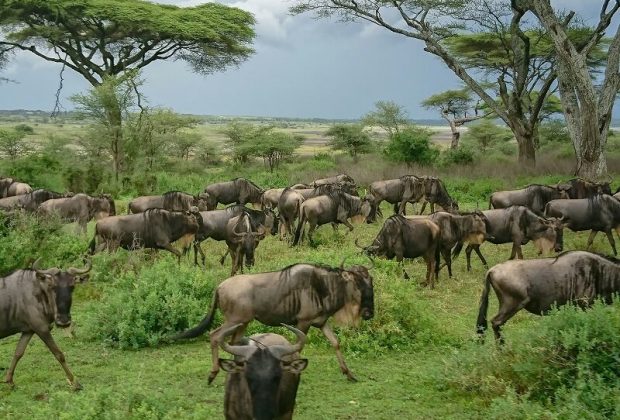
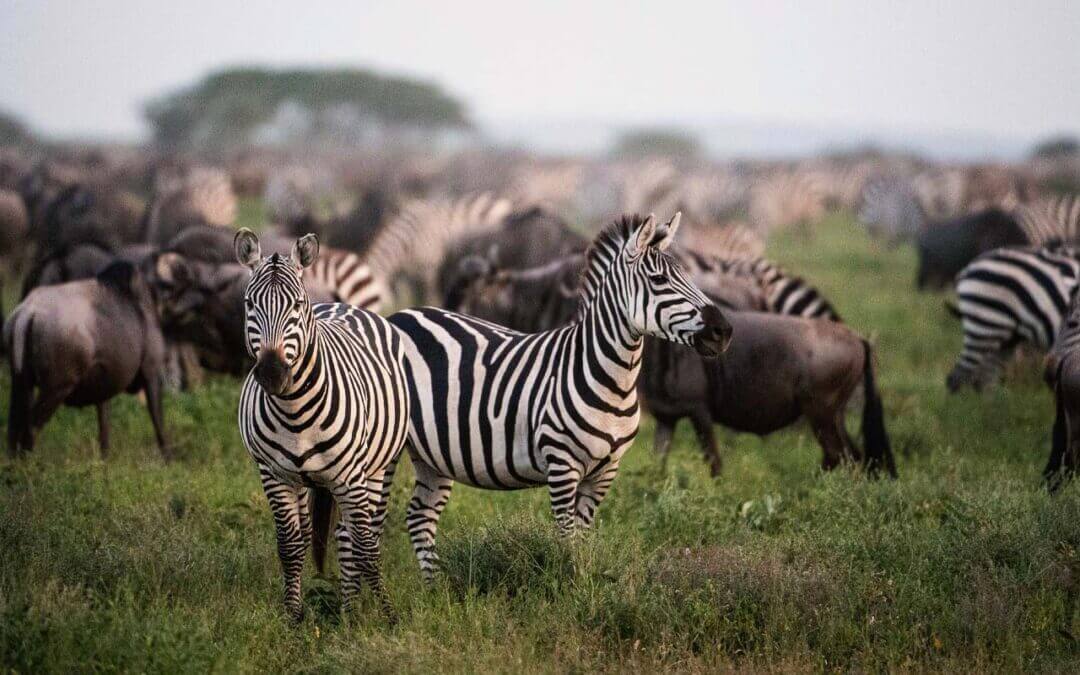
One of the biggest reasons travelers visit Tanzania is to see the Great Migration, when millions of wildebeest, zebras, and gazelles move across the Serengeti ecosystem in search of fresh grass and water.
This natural event happens throughout the year but moves across different areas of the Serengeti.
Between July and September, many visitors travel to northern Serengeti to witness the dramatic river crossings. During this time, huge herds cross the Mara River while predators such as crocodiles and lions wait nearby.
This moment is powerful and emotional. Thousands of animals move together in a dramatic struggle for survival. It is one of the most photographed wildlife events on Earth.
Travelers who want to see the Great Migration often plan their safari months in advance because lodges and camps become very busy.
January to March: The Calving Season
Another incredible time for a Tanzania safari is from January to March, especially in the southern Serengeti.
During this period, the migration herds gather on the plains to give birth. Hundreds of thousands of baby wildebeest are born within just a few weeks.
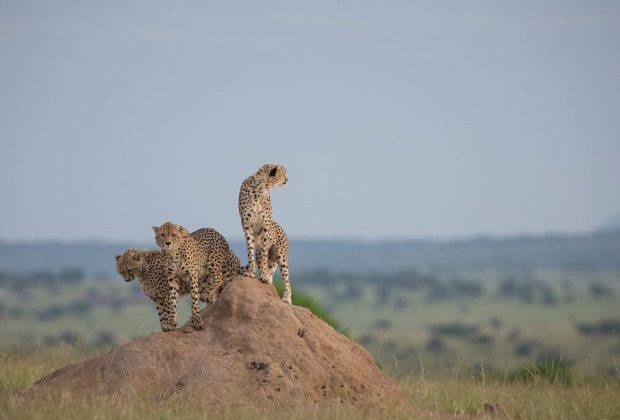
The calving season is special because it brings intense wildlife activity. Newborn animals attract predators such as lions, cheetahs, and hyenas. This creates dramatic safari moments that wildlife photographers love.
The landscape during these months is green and beautiful after the short rains. The weather is also warm and comfortable, making it a pleasant time for game drives.
Although this is technically part of the green season, wildlife viewing can still be excellent because animals gather in large numbers on the open plains.
April and May: The Green Season
November and December: Short Rain Season
The short rains usually occur during November and December. Rain showers normally happen for a few hours rather than all day.
This season transforms the parks into fresh green landscapes again. Wildlife remains active, and migratory birds begin to arrive from Europe and Asia.
Birdwatchers consider this one of the best times to visit Tanzania because many colorful bird species appear across the country.
National parks like Lake Manyara National Park and Tarangire National Park become excellent destinations for birdwatching and scenic safaris.
The short rains also bring fewer tourists compared to peak season, which means travelers can enjoy a quieter safari experience.
Best Time for Wildlife Viewing
If your main goal is to see large numbers of animals and predators, the dry season from June to October is usually the best time.
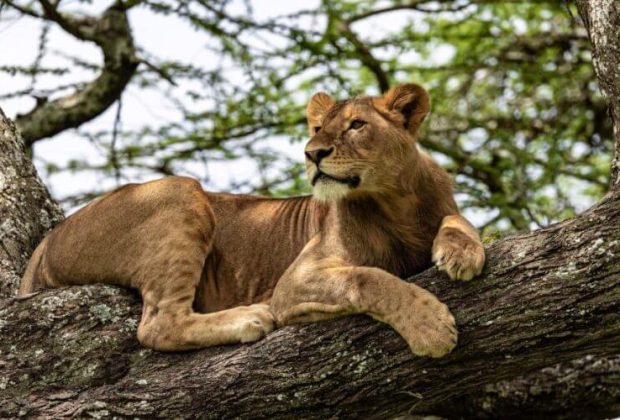
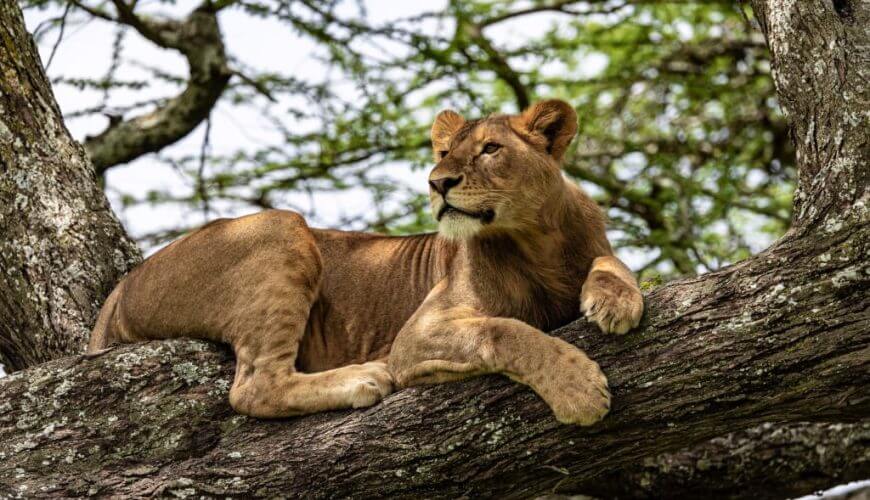
During these months, animals gather near water sources and the dry vegetation makes them easier to spot. Lions rest near rivers, elephants travel in large herds, and giraffes move across the open plains.
Game drives during this period often produce incredible wildlife sightings within a short time.
Many safari experts recommend this season for first-time visitors because it offers reliable wildlife viewing across most national parks.
Best Time for Birdwatching
Tanzania is home to more than 1,000 bird species, making it one of Africa’s best birdwatching destinations.
The best time for birdwatching is between November and April when migratory birds arrive in the country.
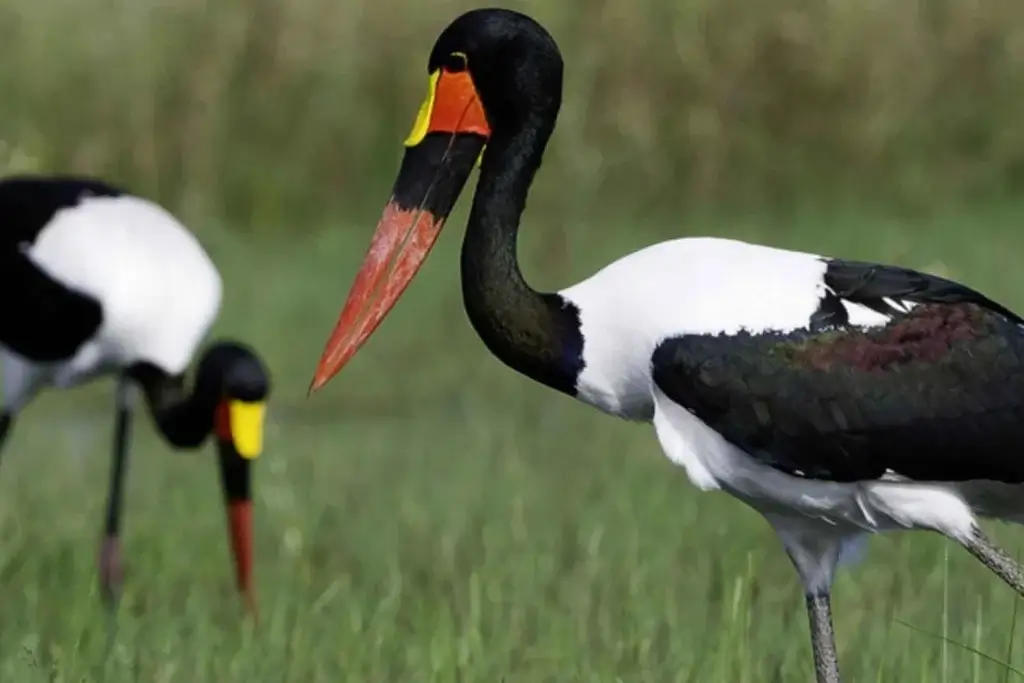
During this period, wetlands and lakes attract flamingos, pelicans, storks, and many colorful bird species. Parks such as Lake Natron and Lake Manyara National Park are particularly famous for birdlife.
Birdwatchers often combine safari drives with visits to lakes and rivers where large flocks gather.
Best Time for a Budget Safari
Travelers looking for affordable safari options often choose the low season, which usually falls in April, May, and sometimes November.
Because fewer tourists visit during these months, many lodges and safari camps offer lower prices. This makes it easier for travelers to enjoy luxury experiences at more affordable rates.
Although there may be occasional rain, wildlife is still present and safari guides know how to find animals even during the green season.
Weather in Tanzania Throughout the Year
Tanzania’s climate is generally warm and pleasant.
Daytime temperatures in safari areas usually range between 20°C and 30°C (68°F to 86°F) depending on the location and time of year.
Mornings on safari can be cool, especially in highland areas such as the Ngorongoro Conservation Area, so travelers often wear light jackets during early game drives.
The weather rarely becomes extremely cold or extremely hot, which makes Tanzania a comfortable safari destination throughout the year.
Best Parks to Visit During Different Seasons
Different parks shine during different times of the year.
The northern safari circuit is the most popular route in Tanzania. It includes famous parks like Serengeti National Park, Tarangire National Park, and the Ngorongoro Crater.
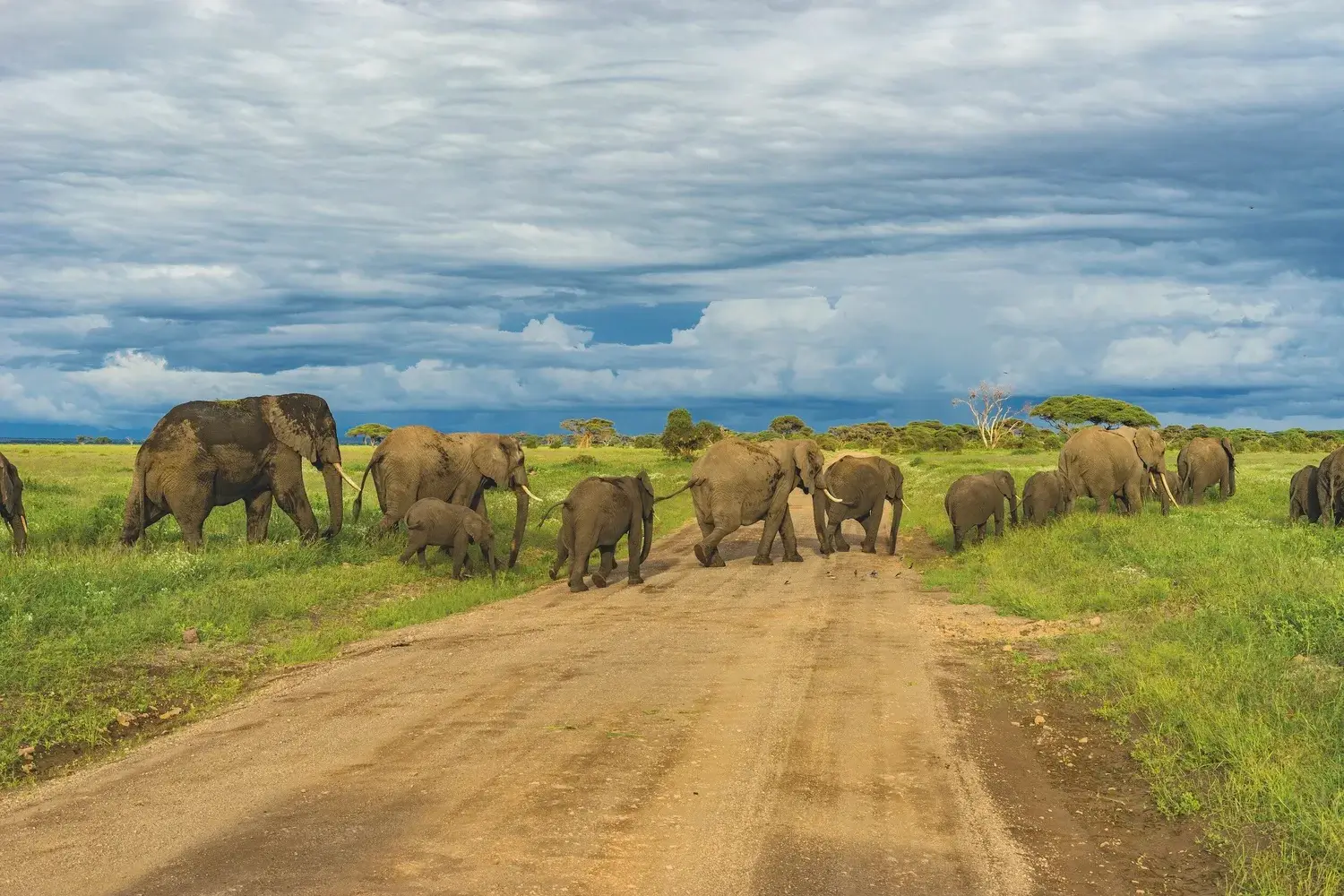
During the dry season, Tarangire becomes famous for its large elephant herds and animals gathering near the Tarangire River.
The Serengeti offers wildlife viewing all year because the Great Migration constantly moves through the ecosystem.
Ngorongoro Crater provides excellent wildlife viewing regardless of season because animals live inside the crater throughout the year.
Planning Your Safari Trip
When planning a Tanzania safari, it is important to consider your travel goals, budget, and preferred weather conditions.
Some travelers dream of seeing the Great Migration river crossings, while others prefer green landscapes and quieter parks.
Working with experienced safari operators can help you choose the right locations and months for your visit. A well-planned safari ensures you experience the best wildlife moments during your trip.
Frequent Asked Questions (FAQs)
What is the absolute best month for a Tanzania safari?
Many safari experts recommend July, August, and September because wildlife viewing is excellent and the Great Migration river crossings often happen during this time.
Is Tanzania good for safari all year?
Yes. Tanzania offers wildlife viewing throughout the year. Different seasons provide different safari experiences, from dramatic migrations to green landscapes and birdwatching.
Is the rainy season bad for safari?
Not necessarily. Although some roads can become muddy, the rainy season offers beautiful scenery, fewer tourists, and lower travel prices.
How many days are enough for a Tanzania safari?
When should I book a Tanzania safari?
If you plan to travel during the dry season or during the Great Migration months, it is best to book 6 to 12 months in advance because safari lodges fill quickly.